Practices & Possibilities

Series Editors: Aimee McClure, Clarke University, Kelly Ritter, Georgia Institute of Technology, Aleashia Walton, University of Cincinnati, and Jagadish Paudel, University of Texas at El Paso
The Practices & Possibilities Series addresses the full range of practices within the field of writing studies, including instructional practices, research methodologies, and professional practices. The books in this series explore issues and ideas of interest to writers, teachers, researchers, and theorists who share an interest in improving existing practices and exploring new possibilities. The series includes both original and, particularly in the case of its open-access textbooks, republished books. Works in the series are organized topically.
Recent Books in the Series
Sections
Research Practices | Professional Practices | Voices from the Field | Teaching Practices | Open-Access Textbooks
Research Practices
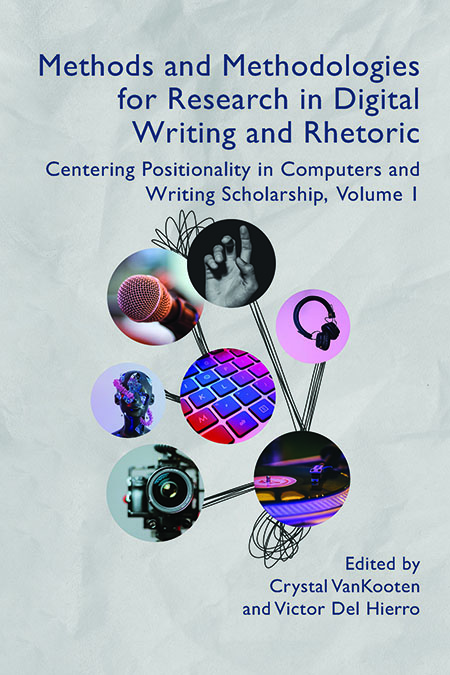
Methods and Methodologies for Research in Digital Writing and Rhetoric: Centering Positionality in Computers and Writing Scholarship, Volume 1
Edited by Crystal VanKooten and Victor Del Hierro
Methods and Methodologies explores how researchers theorize, design, enact, reflect on, and revise digital writing research. The contributors to the two volumes of this edited collection explore how digital technologies can be used to solve problems, challenge the status quo, and address inequities. In some cases, they do so by using familiar digital technologies in novel ways. In other cases, they explain the use of relatively new or less familiar technologies such as digital mapping apps, Twitter bots, audio-visual captions, and computer programming code. Volume 1 includes two sections, The Journey and the Destination: Accessing Stories of Digital Writing Researchers and Memory and Documentation: Digital Archives and Multimodal Methods of Preservation. ... More
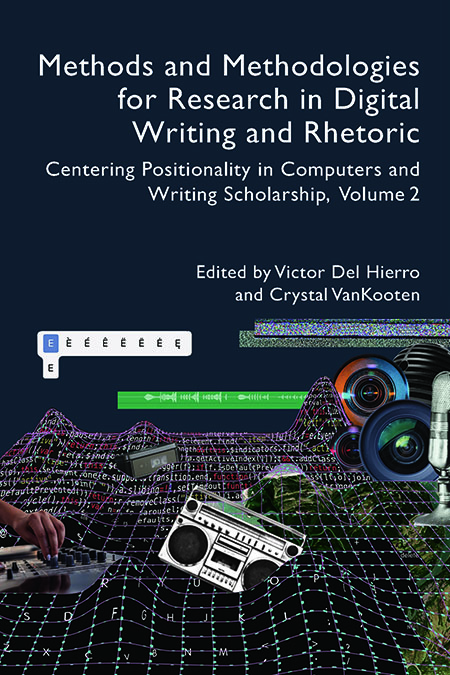
Methods and Methodologies for Research in Digital Writing and Rhetoric: Centering Positionality in Computers and Writing Scholarship, Volume 2
Edited by Victor Del Hierro and Crystal VanKooten
Methods and Methodologies explores how researchers theorize, design, enact, reflect on, and revise digital writing research. The contributors to the two volumes of this edited collection explore how digital technologies can be used to solve problems, challenge the status quo, and address inequities. In some cases, they do so by using familiar digital technologies in novel ways. In other cases, they explain the use of relatively new or less familiar technologies such as digital mapping apps, Twitter bots, audio-visual captions, and computer programming code. Volume 2 includes two sections, Ethics and Intangibles: Unique Challenges of Digital Research and Digital Tools for Understanding Discourse, Process, and Writing: Languaging Across Modalities. ... More
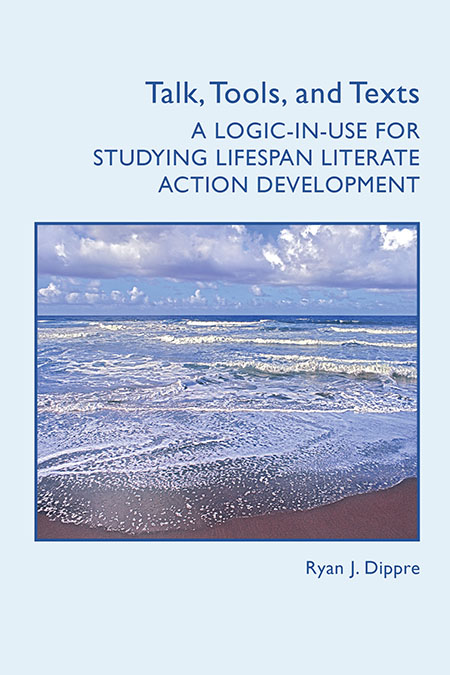 Talk, Tools, and Texts: A Logic-in-Use for Studying Lifespan Literate Action Development
By Ryan J. Dippre
Talk, Tools, and Texts tackles a perplexing issue: how can we envision writing as developing throughout a lifetime, from the first purposeful marks made on paper to the last? How can we make accounts of writing development that keep the complexity of our lives in mind while also providing useful insight to researchers, teachers, and writers? Drawing on eleven accounts of writers at different points in the lifespan (ages 12 to 80) and in different social circumstances, Talk, Tools, and Texts constructs a “logic-in-use” for following writers and their writing development at a variety of points in the lifespan. ... More
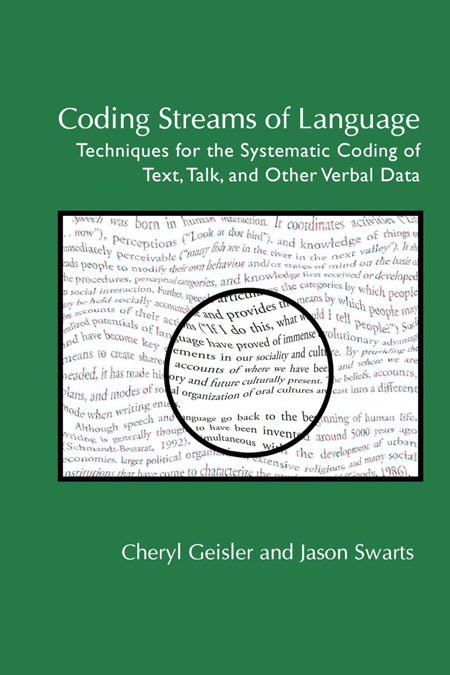 Coding Streams of Language: Techniques for the Systematic Coding of Text, Talk, and Other Verbal Data
By Cheryl Geisler and Jason Swarts
Coding Streams of Language is a systematic and practical research guide to coding verbal data in all its forms—written texts and oral talk, in print or online, gathered through surveys and interviews, database searches, or audio or video recordings. The thoughtful, detailed advice found in this book will help readers carry out analyses of language that are both systematic and complex. Situating themselves in the relatively new line of mixed methods research, the authors provide guidance on combining context-based inquiry with quantitative tools for examining big picture patterns that acknowledges the complexity of language use. ... More
Professional Practices
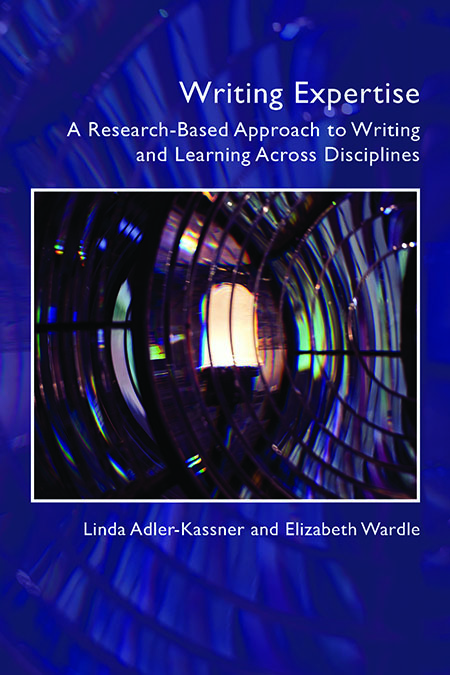
Writing Expertise: A Research-Based Approach to Writing and Learning Across Disciplines
By Linda Adler-Kassner and Elizabeth Wardle
In Writing Expertise, Linda Adler-Kassner and Elizabeth Wardle address the question, “How can instructors across disciplines best help students write well?” Drawing on research about how disciplines use writing to engage in shared ways of thinking, practicing, and demonstrating knowledge, the authors offer an approach that helps faculty across the disciplines invite students to bring new ideas and identities to their work. ... More
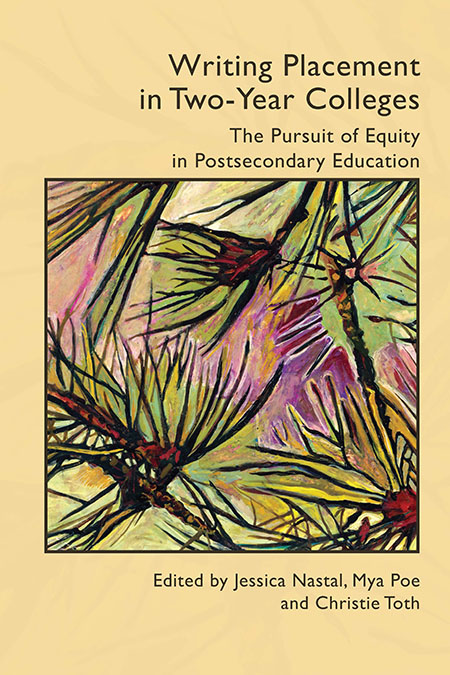 Writing Placement in Two-Year Colleges: The Pursuit of Equity in Postsecondary Education
Edited by Jessica Nastal, Mya Poe, and Christie Toth
This volume brings together two-year college teacher-scholar-activists from across the U.S. to share stories, strategies, and data about local efforts at reforming writing placement assessment to advance educational access and equity. The chapters in this edited collection help faculty and writing program administrators navigate the shifting landscape of placement in the 2020s. Contributors demonstrate how two-year colleges have addressed local and state-level pressures for reform, especially at a time when the nation has been rocked by the COVID-19 pandemic with its inequitable economic, social, and physical toll. ... More
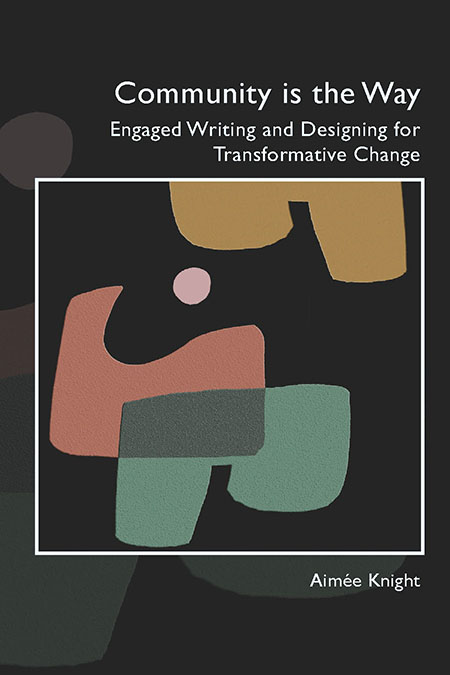 Community is the Way: Engaged Writing and Designing for Transformative Change
By Aimée Knight
How can we design for equity and justice in our community partnerships? This field guide offers a vision for enacting social justice with community partners. Working from a community’s resources and strengths toward the goal of building its internal capacity, this book considers how actions such as grassroots activism, decolonization efforts, co-resistance movements, and social change initiatives can support reciprocity and mutuality. Community is the Way provides examples of concrete, situated action grounded in disciplinary knowledge and extensive fieldwork. ... More
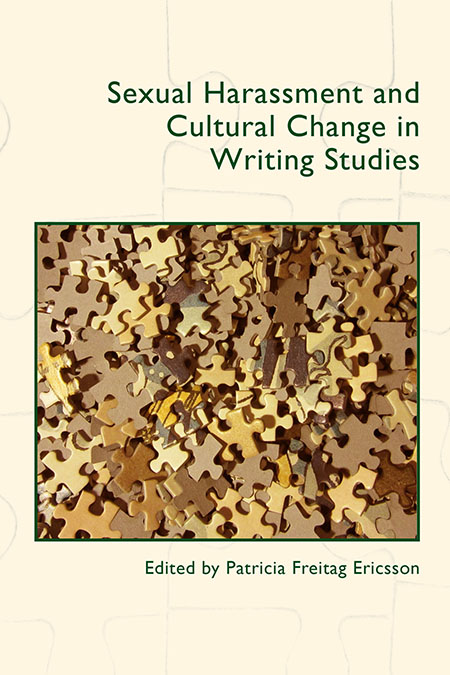 Sexual Harassment and Cultural Change in Writing Studies
Edited by Patricia Freitag Ericsson
This collective project provides vital groundwork for understanding sexual harassment as well as encouraging the difficult conversations that are steps to awareness, action, and prevention. The project mandates a heightened consciousness of sexual harassment in American culture and underscores the profound commitment to cultural change necessary to eradicate this toxic social issue. Focusing on writing studies but applicable to other areas of higher education, the authors provide history, definitional backgrounds, best-practice approaches to prevention, scenarios for anti-sexual harassment training, and an extensive bibliography. ... More
 Learning Re-abled: The Learning Disability Controversy and Composition Studies
By Patricia A. Dunn
In the first comprehensive study to connect composition and learning disabilities, Patricia Dunn both challenges and confirms what many believe about writing. Learning Re-Abled,republished on the Clearinghouse with the permission of its author, examines the many issues that contribute to the learning disability controversy and provides historical perspectives on LD and composition, showing how the two fields complement and conflict with each other. She discusses the disagreements surrounding different educational approaches and makes sense of the claims and counterclaims of the experts. ... More
Voices from the Field
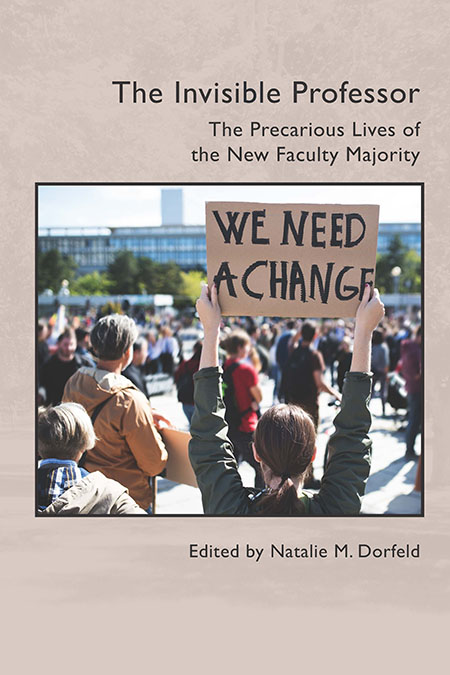 The Invisible Professor: The Precarious Lives of the New Faculty Majority
Edited by Natalie M. Dorfeld
This edited collection, the first in the Practices & Possibilities series to be published in its Voices from the Field section, offers a rich set of narratives by writing instructors who are serving or have worked in contingent positions. Intended for anyone considering a career in the humanities, The Invisible Professor seeks to reach individuals in three phases of their careers: those thinking of entering the profession, those knee-deep in it and looking for ways to improve conditions, and those who have vacated academic positions for more humane alternative tracks. ... More
Teaching Practices
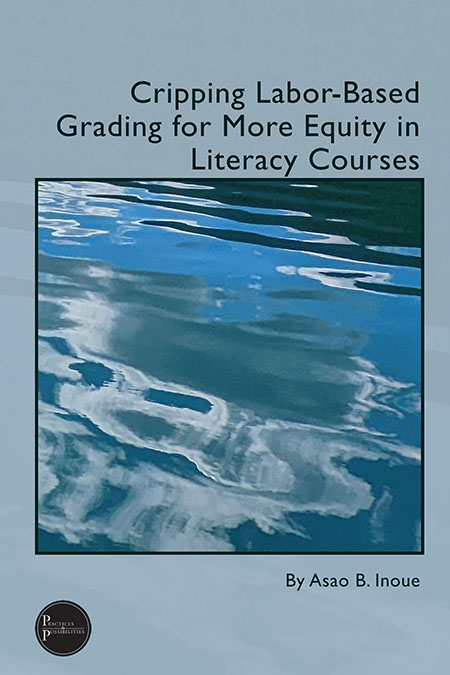
Cripping Labor-Based Grading for More Equity in Literacy Courses
By Asao B. Inoue
Writing in response to recent work by Kathleen Kryger, Griffin X. Zimmerman, and Ellen C. Carillo, Asao B. Inoue offers an expanded and compassionate discussion of labor-based grading, a practice that involves negotiating a set of classroom agreements with all of the students in a course to determine how much labor will be expected of students and how it will be accounted for or identified to earn particular final course grades. ... More
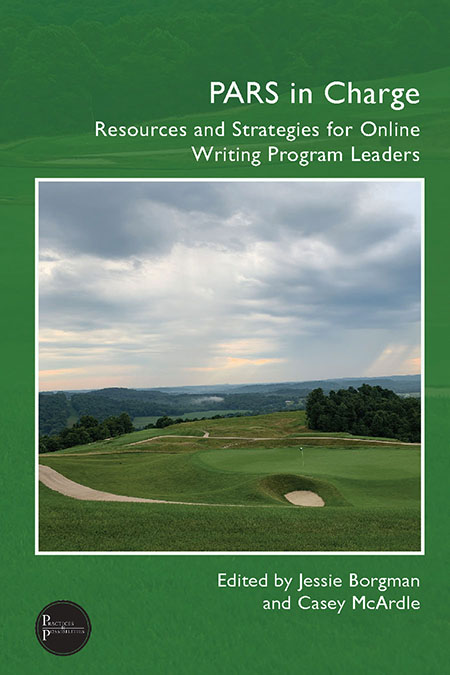
PARS in Charge: Resources and Strategies for Online Writing Program Leaders
Edited by Jessie Borgman and Casey McArdle
This edited collection, the third in a series of books by editors Jessie Borgman and Casey McArdle, explores the complexity of administrative positions within writing programs and how online courses make administration even more complex. Drawing on the PARS framework (Personal, Accessible, Responsive, Strategic) used in the first two books, PARS in Charge provides insights and examples from administrators across the country focusing on how they have implemented the PARS framework to be successful online writing program leaders in their specific leadership positions. ... More
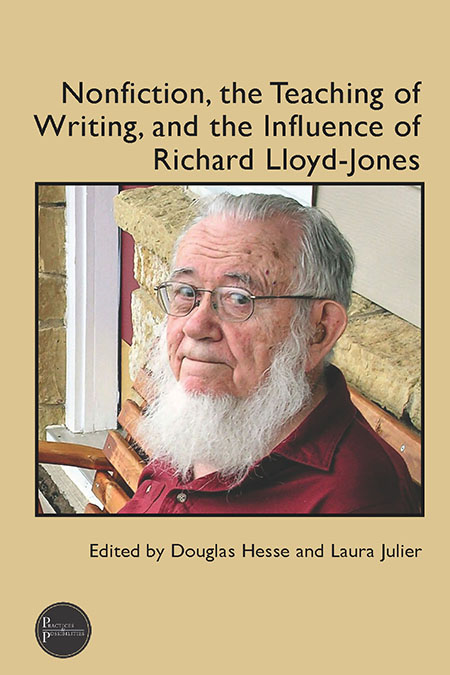
Nonfiction, the Teaching of Writing, and the Influence of Richard Lloyd-Jones
Edited by Douglas Hesse and Laura Julier
This edited collection explores an important development in the teaching of writing over the last half century: the rise of creative nonfiction, a vast terrain of genres from memoir and personal essays to nature and travel writing to literary journalism, works grounded in true experiences but inflected by a creative sensibility. Celebrating the influence of Richard Lloyd-Jones—long-time chair of the English Department at the University of Iowa, president of NCTE, chair of CCCC, and the winner of CCCC’s first Exemplar Award—the essays in this collection reveal a person whose efforts, largely behind the scenes, were instrumental in the growth of creative nonfiction.... More
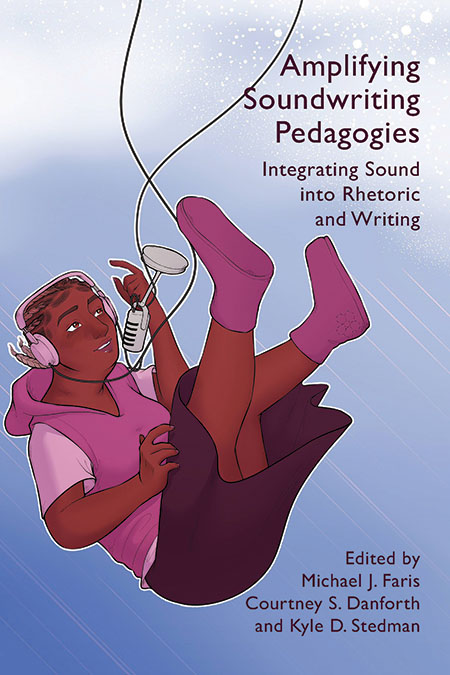
Amplifying Soundwriting Pedagogies: Integrating Sound into Rhetoric and Writing
Edited by Michael J. Faris, Courtney S. Danforth, and Kyle D. Stedman
While sonic rhetoric is still a growing subfield of writing studies, attention to pedagogy remains an underattended but increasingly important conversation. Amplifying Soundwriting Pedagogies addresses this gap by offering a broad range of assignments to support university instructors who seek to integrate the use of digital audio into their writing and rhetoric curricula. Each of the 25 chapters in this edited collection provides a written introduction to an adaptable soundwriting activity or sequence of assignments; a transcribed audio reflection from the instructor discussing the assignment’s purpose, strengths, and weaknesses; student-oriented documents such as assignment prompts, and rubrics) that readers can adapt in their own teaching; and examples of student work (audio with transcriptions) hosted on the book’s website.... More
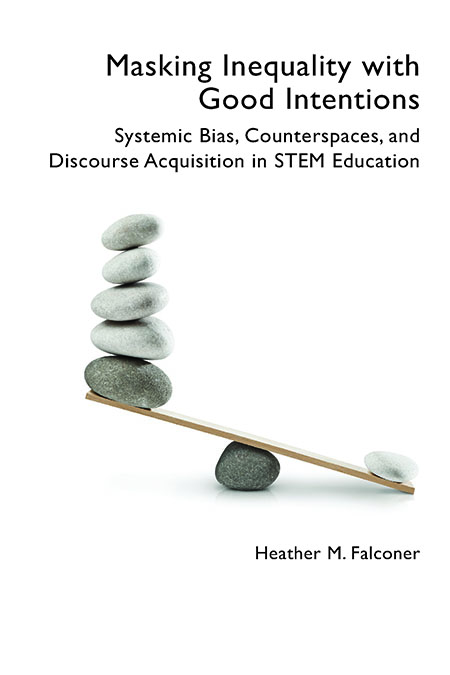
Masking Inequality with Good Intentions: Systemic Bias, Counterspaces, and Discourse Acquisition in STEM Education
By Heather M. Falconer
In Masking Inequality with Good Intentions, Heather M. Falconer examines the impact of systemic bias on disciplinary discourse acquisition and identity development by asking “How do the norms and expectations of higher education and STEM, specifically, impact the development of scientific identity and discursive skill?” and “What role do societal markers like race and gender play in the negotiation of identity in STEM learning environments?” ... More
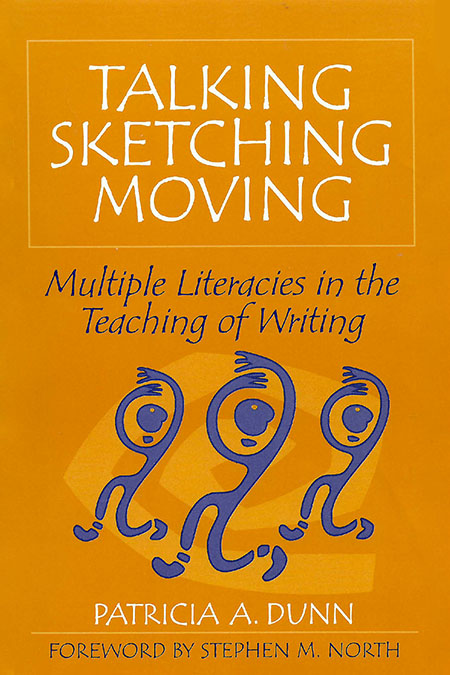 Talking, Sketching, Moving: Multiple Literacies in the Teaching of Writing
By Patricia A. Dunn
In Talking, Sketching, Moving, Patricia Dunn presents a writing pedagogy that draws upon multiple literacies and then offers numerous, detailed examples of how that theory can be translated into classroom practice. Challenging the assumption that written texts play an almost exclusive role in the production of knowledge in composition classrooms, her book foregrounds other, more intellectually diverse ways of knowing: oral, visual, kinesthetic, spatial, and social pathways. In this book, Dunn describes what she and her students learned when they experimented with Freire's “multiple channels of communication” and how it helped them gain the metacognitive distance they needed for writing and revision. ... More
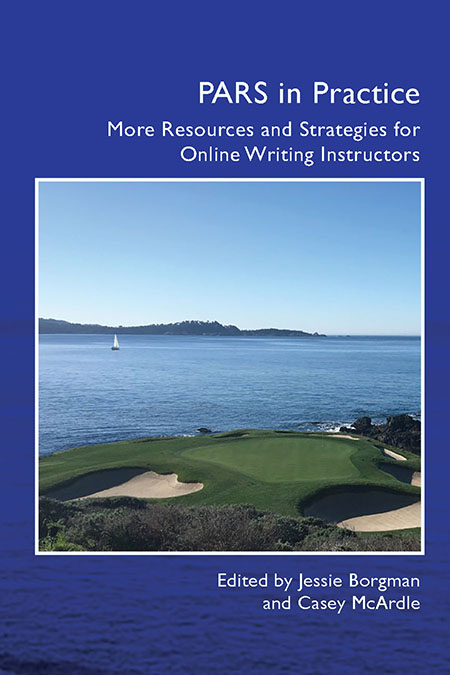 PARS in Practice: More Resources and Strategies for Online Writing Instructors
Edited by Jessie Borgman and Casey McArdle
By focusing on being Personal, Accessible, Responsive, and Strategic (PARS), this book explores the complexities and anxieties associated with online writing instruction (OWI). The PARS approach is an innovative way to self-support your own online writing instruction and/or provide support for your OWI faculty. This collection offers extensive examples of how to create personal assignments, syllabi, and learning spaces that connect with students while teaching you how to be accessible and craft accessible documents and spaces. ... More
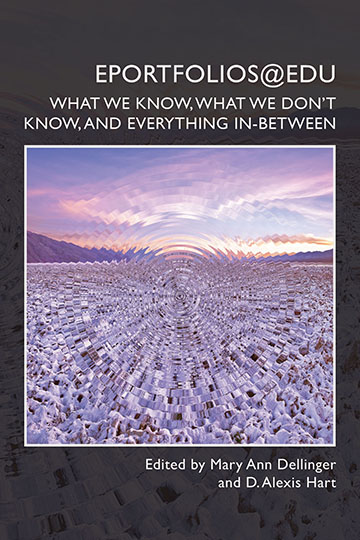 ePortfolios@edu: What We Know, What We Don't Know, and Everything In-Between
Edited by Mary Ann Dellinger and D. Alexis Hart
This edited collection offers a comprehensive examination of best practices in creating, implementing, and assessing an ePortfolio program. Contributors to the volume (ePortfolio practitioner/scholars from four continents) share triumphs and lessons learned from a first-person perspective. Designed as a go-to resource for ePortfolio novices, seasoned practitioners, and curious explorers alike, ePortfolios@edu allows readers to close the book and immediately apply whatever information they found most appropriate for their course, program, and/or institution. ... More
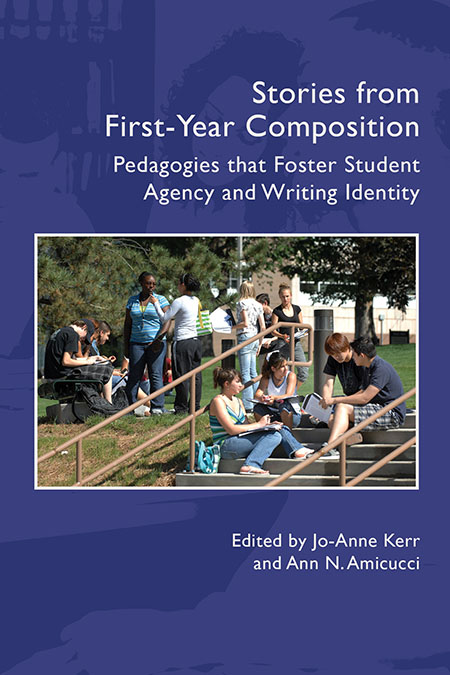 Stories from First-Year Composition: Pedagogies that Foster Student Agency and Writing Identity
Edited by Jo-Anne Kerr and Ann N. Amicucci
The central value of first-year composition is often questioned, typically accompanied by characterizations of FYC as a “service” course. This collection counters those perceptions, sharing with readers a new FYC story, one that demonstrates a new “service” that the course provides to first-year students, a service that accommodates the realities of writing—that it is never just writing and that the writing process entails much more than plugging in the “right” words (that mean the same to everyone) in predetermined forms. ... More
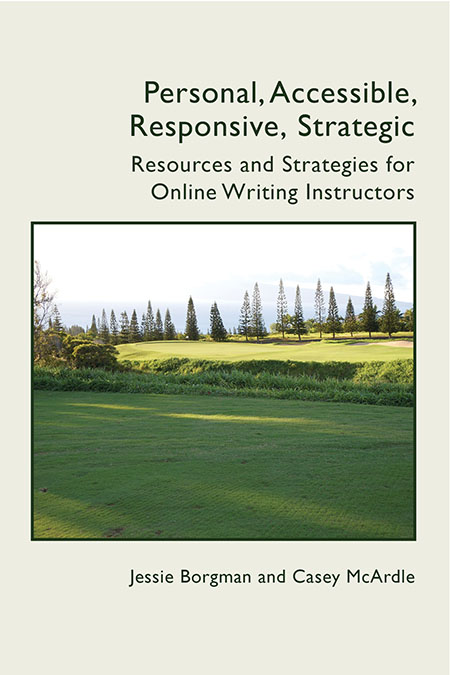 Personal, Accessible, Responsive, Strategic: Resources and Strategies for Online Writing Instructors
By Jessie Borgman and Casey McArdle
Drawing on their novel PARS framework, Jessie Borgman and Casey McArdle explore the complexities and anxieties associated with online writing instruction. PARS offers an innovative way to support your own online instructional efforts as well as those of faculty members in programs that offer online writing instruction. Borgman and McArdle offer extensive examples of how to create assignments, syllabi, and accessible, productive learning spaces. ... More
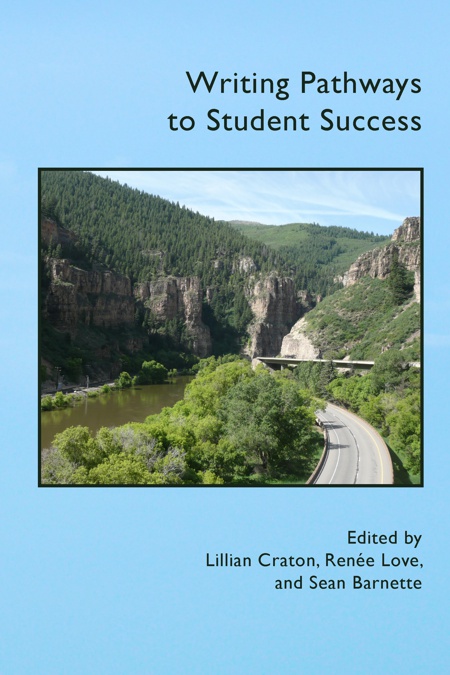 Writing Pathways to Student Success
Edited by Lillian Craton, Renée Love, and Sean Barnette
Teachers of first-year composition courses do essential work. Teaching argumentation and conventions of university-level writing; demystifying citation and punctuation; promoting reading comprehension and analysis. Yet such skills, as important as they are, do not reflect the full scope of our discipline. Some of the best learning in composition coursework relates to students' growth as successful individuals able to live and write in a complex world. ... More
 A New Literacies Dictionary: Primer for the Twenty-first Century Learner
By Adam Mackie
Adam Mackie's New Literacies Dictionary: Primer for the Twenty-first Century Learner is addressed to twenty-first century teachers and twenty-first century learners. The hyperlinked entries are a resource, a reference, and a tool for those interested in teaching lessons in new literacies or for those seeking ideas, samples, discussions, and reflections on digital and multimodal texts. ... More
 Toward A Taxonomy of "Small" Genres and Writing Techniques for Use in Writing-Across-the-Curriculum
Collected by Richard E. Young
In 1984, with funding from the Buhl Foundation, Richard Young and Joann Sipple conducted a series of writing-across-the-curriculum workshops with the faculty of Robert Morris College in Pittsburgh. This collection offers more than 150 activities that can be used to conduct writing-to-learn activities in courses across the curriculum . ... More
 Problems into PROBLEMS: A Rhetoric of Motivation
By Joseph M. Williams
Willias writes, "For well more than a decade now, researchers have been reporting how in the act of drafting we recognize and solve rhetorical problems—how we evaluate and synthesize sources, set local rhetorical goals, then seek to achieve them. But if the literature on solving such problems is thick, our understanding of how we articulate the substantive problem that occasions our efforts to solve them is quite thin." In this monograph, Joseph M. Williams considers this issue with all the care that characterized the work produced in his long career. ... More
Open-Access Textbooks
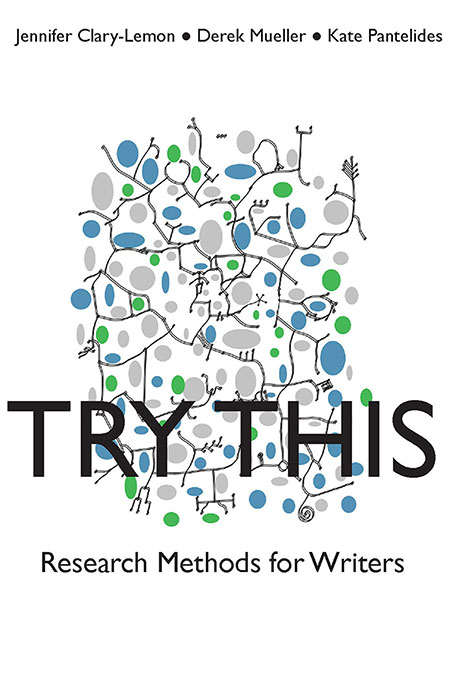 Try This: Research Methods for Writers
By Jennifer Clary-Lemon, Derek Mueller, and Kate Pantelides
Try This explores interdisciplinary research methods employed in research in writing studies but rarely drawn upon in undergraduate courses. This shifts writing instruction from a model of knowledge delivery and solitary research to a pedagogy of knowledge-making and an acknowledgment of research writing as collective, overlapping, and distributed. Each chapter is organized around methods to approach a particular kind of primary data—texts, artifacts, places, and images. ... More
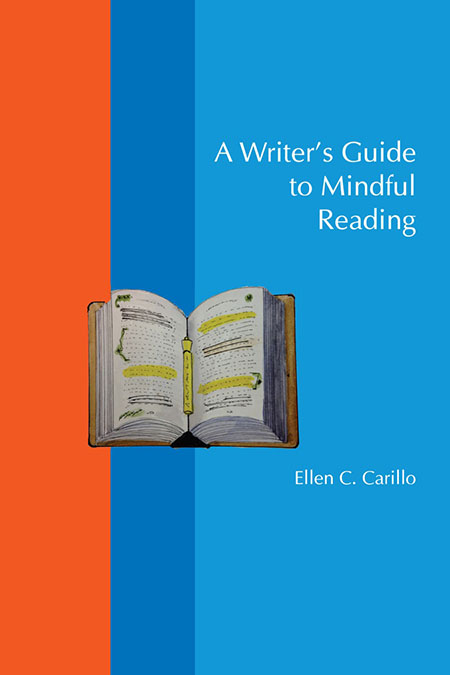 A Writer's Guide to Mindful Reading
By Ellen C. Carillo
By offering instruction in both reading and writing, A Writer's Guide to Mindful Reading provides a comprehensive approach to literacy instruction within a metacognitive framework to foster the transfer of learning. ... More
Note: The following republished books have been made available with the permission of their authors.
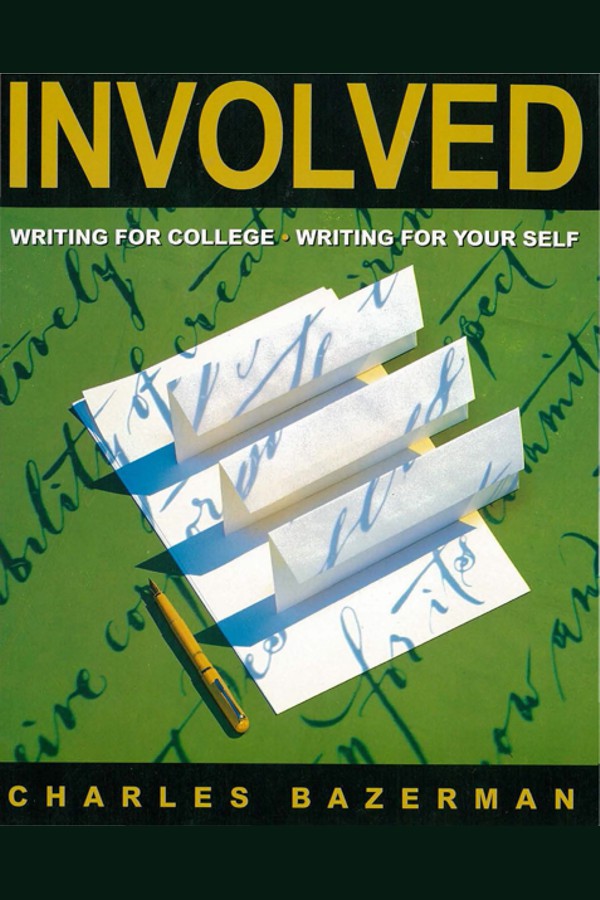 Involved: Writing for College, Writing for Your Self
By Charles Bazerman
Involved: Writing for College, Writing for Your Self helps students to understand their college experience as a way of advancing their own personal concerns and to draw substance from their reading and writing assignments. This edition of the book has been adapted from the print edition, published in 1997 by Houghton Mifflin. Copyrighted materials—primarily images and examples within the text—have been removed from this edition. ... More
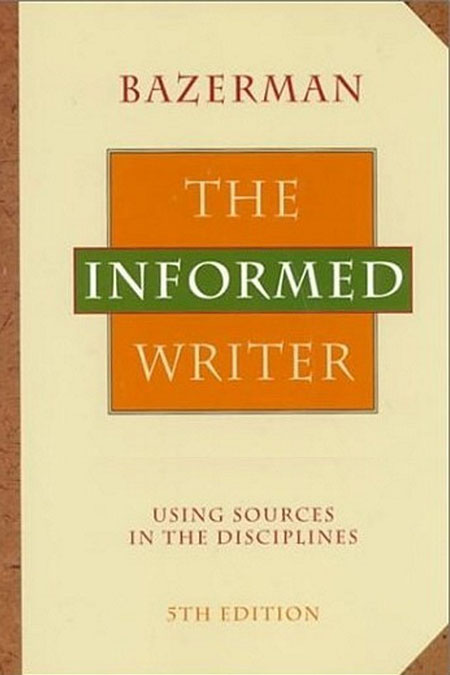 The Informed Writer: Using Sources in the Disciplines
By Charles Bazerman
Adapted by Mark Haas for presentation on this site.
The Informed Writer, offered here in its fifth edition, addresses a wide range of writing activities and genres, from summarizing and responding to sources to writing the research paper and writing about literature. This edition of the book has been adapted from the fifth edition, published in 1995 by Houghton Mifflin. Copyrighted materials—primarily examples within the text—have been removed from this edition. ... More
About the Publishers
The WAC Clearinghouse supports teachers of writing across the disciplines. The site receives support from Colorado State University and from its editorial staff and editorial review board and its hundreds of members who, through their collaborative efforts, add to and update information on the site. For more information about the Clearinghouse, please see our site information page. University Press of Colorado is a nonprofit cooperative publishing enterprise supported by several Western universities. For more information, visit upcolorado.com.
About Our Publication Process
The Practices & Possibilities series offers books in free digital editions and low-cost print editions. Books are offered through a Creative Commons Attribution-Noncommercial-No Derivative Works 4.0 International License. Copyright is held by the author(s) or editor(s) of the books. The publishers cover the costs of reviewing, designing, producing, and distributing the books. Any proceeds from sales of print books in the series are used to support the publication of subsequent books. Our goal is to make work available to the widest possible audience while maintaining the highest standards in scholarly publishing. We welcome contributions to the series and to the larger goal of supporting open-access scholarly publishing. If you have questions about the goals of the larger WAC Clearinghouse project, please contact Mike Palmquist at Mike.Palmquist@ColoState.edu.